Threads

Facial plastic surgery can be important because our facial expressions allow us to interact and communicate with each other.


About Thread Lift

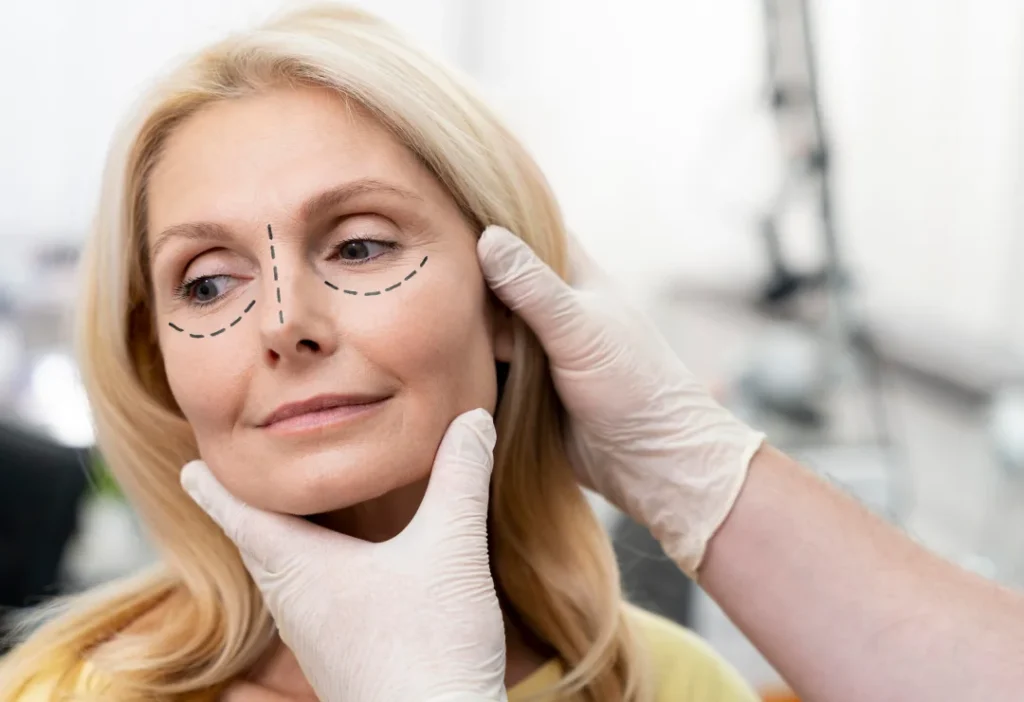
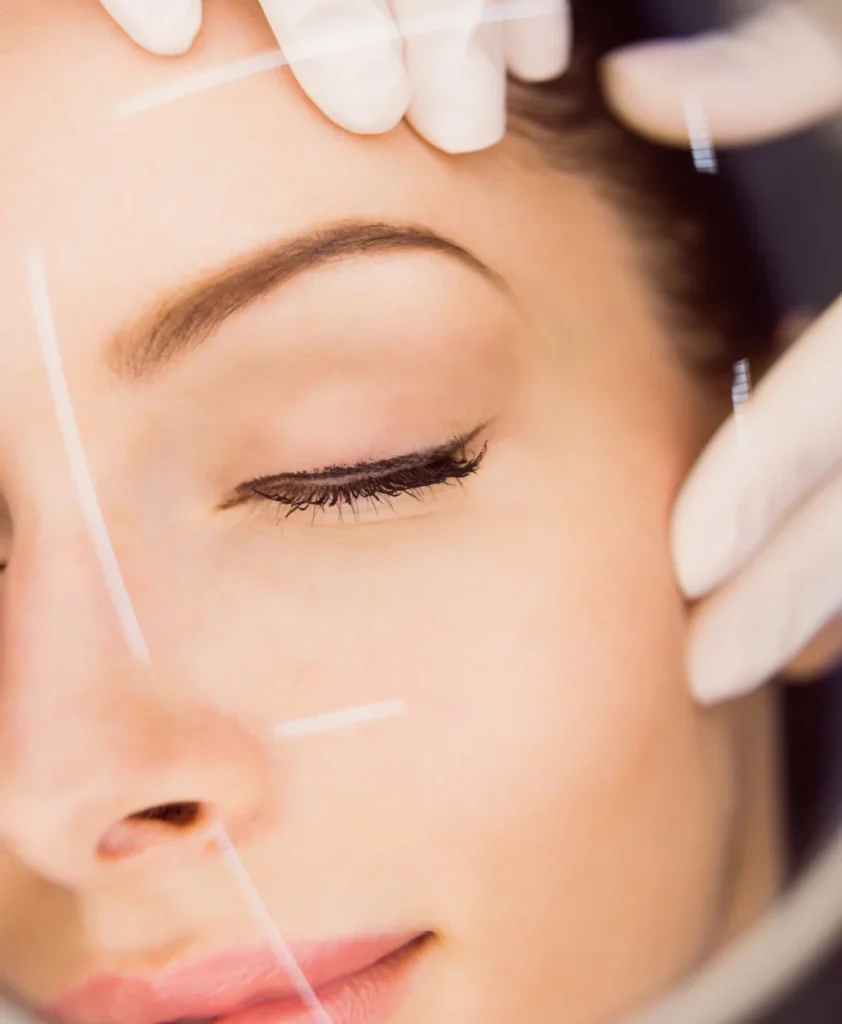
A thread lift involves inserting fine, absorbable sutures (made from materials like PDO, PLLA, or PCL) under the skin to immediately lift sagging areas—such as the brows, cheeks, jawline, jowls, and neck—while also stimulating collagen production over time.

How it Works

Best suited for adults in their 30s to early 50s with mild to moderate sagging, and those wanting rejuvenated yet natural-looking results without adding volume.

  • Duration: Around 30–60 minutes under local anesthesia. 

  • Downtime: Minimal—typically 2 days to 1 week. Swelling/bruising are common but manageable.

  • Results: Immediate visible lift, with continuation over 4–6 weeks as collagen builds.

Effects can last from 6 months up to 18 months, depending on materials and technique

Thread lifts utilize absorbable sutures (like PDO, PLLA, or PCL), and globally many countries—including Saudi Arabia—do regulate their use. The SFDA classifies medical devices and generally requires approval for any thread-lift materials used in aesthetic procedures.

Candidates for Facial Plastic Surgery

  • Are at least 18 years of age
  • Are in good physical and mental health
  • Have good skin elasticity
  • Have realistic expectations
  • Want to reduce facial wrinkles without surgery
  • Don’t exhibit medical contraindications
Botox is ideal for patients seeking to enhance their facial appearance without surgeries. If you want to reverse the signs of aging and maintain youthful, smooth, wrinkle-free skin, please contact our cosmetic injectors. We will carefully review your medical history, discuss your goals, and determine if you are suitable for Botox injections.

Success Stories

More than 250 five-star reviews on Google
5/5

They are very gentle and do their best to give the patients the expected results. I am very happy with their office, equipment, kindness and professionalism.

5/5

The staff was friendly and professional, and the treatment left me feeling refreshed and rejuvenated. Thank you for the wonderful service, I'll definitely be visiting again!

5/5

The treatment targeted areas of concern and helped to improve the texture and firmness of my skin, but most importantly, the staff knew what they were doing.

have a question?

Quick answers to questions you may have

  1. Preparation
  • The treatment area is cleaned and disinfected.
  • A local anesthetic is injected to numb the area — general anesthesia is not needed.
  1. Thread Insertion
  • Using a thin needle or cannula, the doctor inserts the threads just beneath the skin.
  • The threads have tiny barbs or cones that anchor into the tissue.
  • As the thread is pulled tight, it lifts and repositions the skin, producing an immediate but subtle lift.
  • Threads are usually placed along vectors (cheeks, jawline, neck) for natural results.
  1. Trimming and Finishing
  • Once in place, the ends of the threads are trimmed and hidden under the skin.
  • The area is cleaned again, and sometimes ice is applied to reduce swelling.

Short answer: No, you should not lose facial expressions after a threads treatment — if the procedure is done correctly.

Why You Likely Won’t Lose Facial Expressions:
  • Muscles aren’t paralyzed: Unlike Botox, thread lifts don’t affect muscle function. The threads are placed under the skin, not into the muscles that control expressions.

  • Temporary and absorbable threads: Most threads used (e.g., PDO threads) dissolve over several months and stimulate collagen production, so the effects are not permanent.

  • Targeted areas: Skilled practitioners place threads in areas that lift sagging skin (cheeks, jawline, neck), avoiding muscles responsible for expressions.

You might feel a bit numb or “weird” where the threads are placed for a short time, but this typically resolves. Permanent loss of feeling is very uncommon when the procedure is done correctly.

Every 6 to 12 months is the general recommendation for a repeat treatment, depending on:

FactorTypical Timing
PDO threads (most common)6–12 months after the initial treatment
PLLA or PCL threads (longer-lasting types)12–18 months or more
Minor touch-upAs early as 3–6 months, if needed and safe